

Conservation Roundup: August 2026
Conservation Round-Up
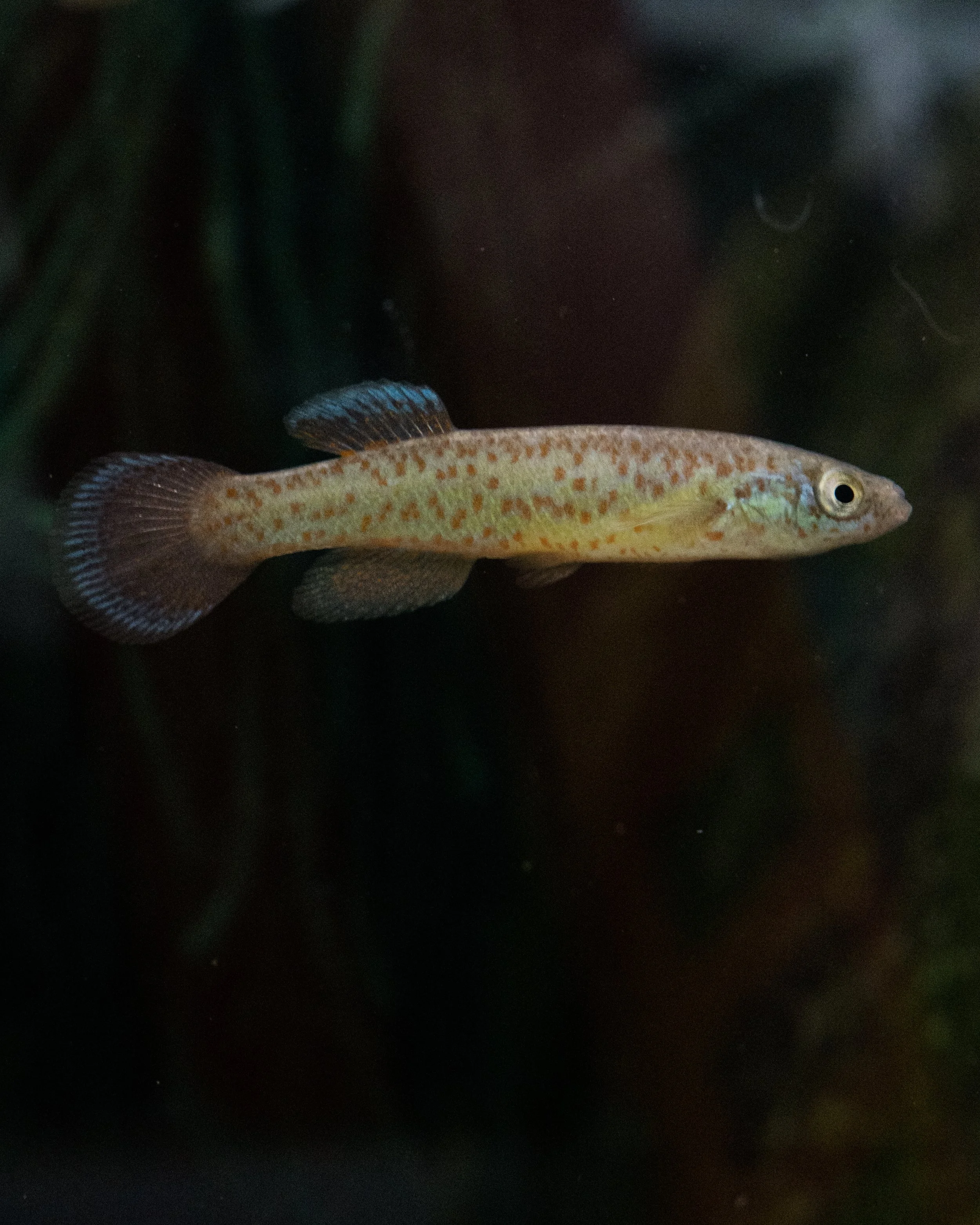
Barrens Topminnow, Fundulus julisia - Photo by Aster Treat
We’re Swimming in Fishes!
As spawning season draws to a close and with the majority of the species in our care laying eggs in the springtime, we are left at this time of year with HUNDREDS of larval and juvenile fishes. Our earliest spawners, such as Leopard Darters, Roanoke Logperch, and Cumberland Arrow Darters, have the largest juveniles since they’ve had the most time to grow. Close behind in size are Blotchside Logperch, Candy Darters, and Pearl Darters, with our smallest juvenile darters being the Duskytail Darter and Marbled Darter. Our madtom species, Yellowfin Madtoms and Carolina Madtoms, have a spawning season around June, and being some of our youngest inhabitants, still grow fairly quickly! Tennessee Dace were so productive this year that we’ve already had to release the earliest hatched fish to make more room for the rest of them to grow. The Eastern Hellbenders collected as eggs last fall continue to grow, and we’ve been caring for more that were recently collected from the wild as juveniles!
At this time our last remaining species that are actively spawning are the Spotfin Chubs and the Barrens Topminnows! Both of these species will likely spawn through the month of August, and we’ll keep collecting their eggs for as long as they go! Spotfin Chubs have such a high fecundity (the potential to produce offspring), that, similarly to the Tennessee Dace, we’ve already done one release to make more room for the eggs that are still hatching. As for the Barrens Topminnow, we are making preparations to transfer many of this summer’s progeny to be cared for by our staff stationed at Dale Hollow National Fish Hatchery to free up more rearing space as we continue to collect eggs, and to allow these larval fish more space to grow.
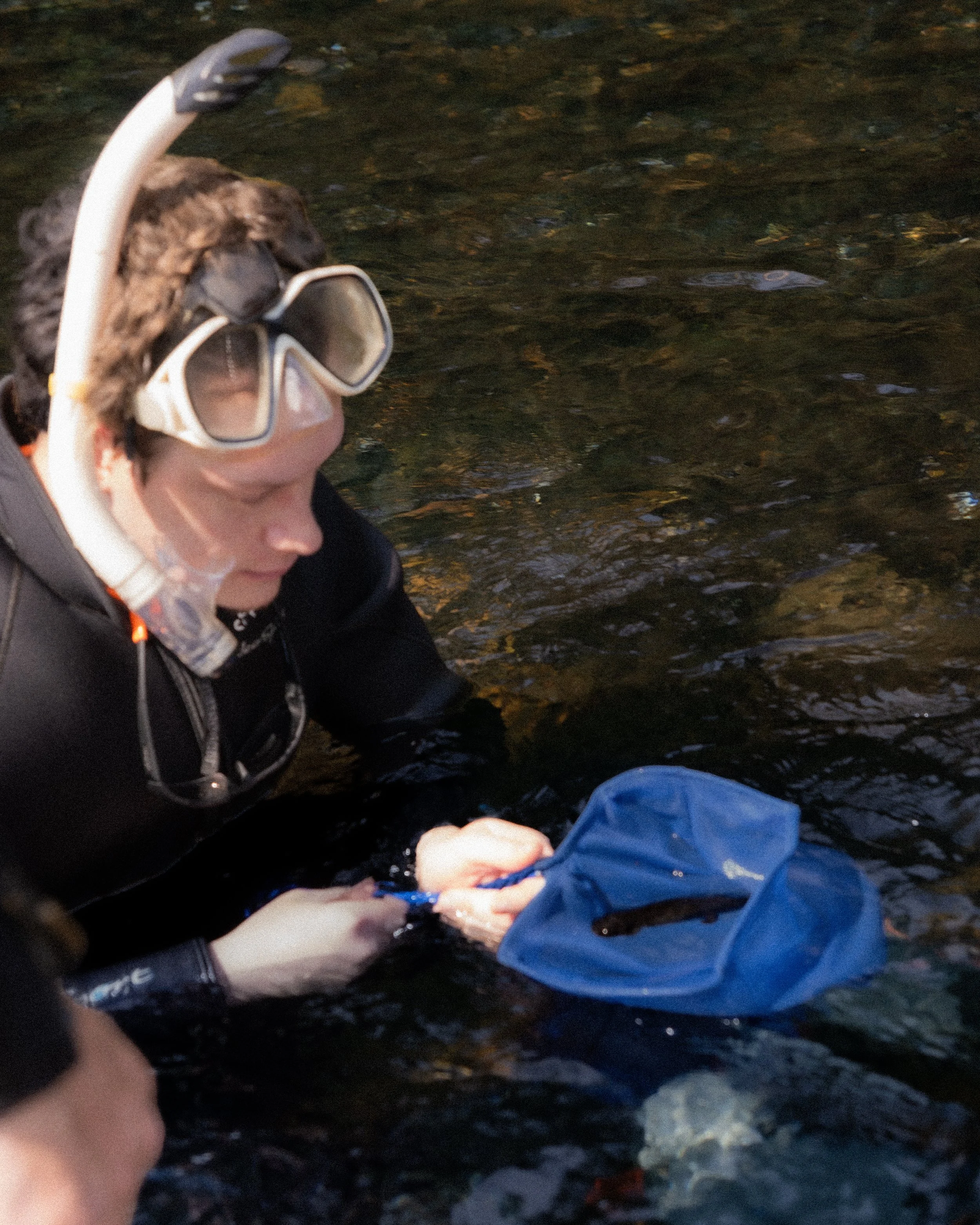
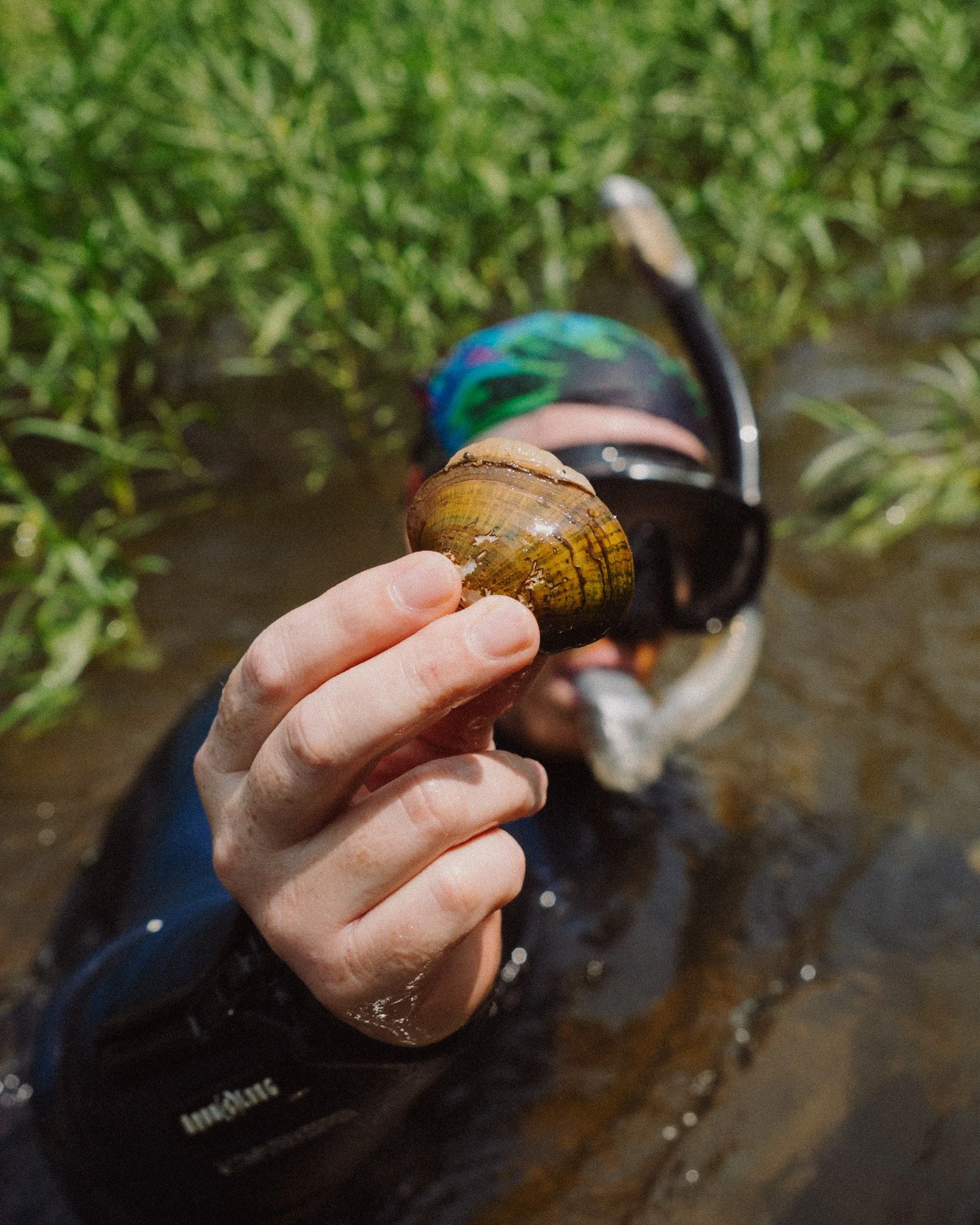
Intern Blake during Eastern Hellbender field work - Photo by Aster Treat
Volunteer Program
We’re looking forward to starting our fall volunteering season which will run from September through the end of November. Our next volunteer applications will be for the spring season, opening in early January with the volunteering term running from February through April. Anyone who would like to volunteer can visit the Volunteer Program page of our website to apply!
We’re also thrilled to be continuing to offer internship focused volunteer opportunities as an extension of our Volunteer Program in partnership with the University of Tennessee, Knoxville and Tennessee Technological University in Cookeville. As we build our Internship Program, students are able to obtain class credit while working at our facilities. We’ve recently added a fall intern-focused opportunity for a local Knoxville student, which is advertised and distributed directly through professors at UTK. Intern-focused opportunities for the remainder of the year for Tennessee Tech students have been filled, and we’d like to encourage students interested in future opportunities at both universities to please keep an eye out and chat with your major professors. At this time all internship-focused opportunities are filtered directly through professors at UTK and TnTech.
Save the Date
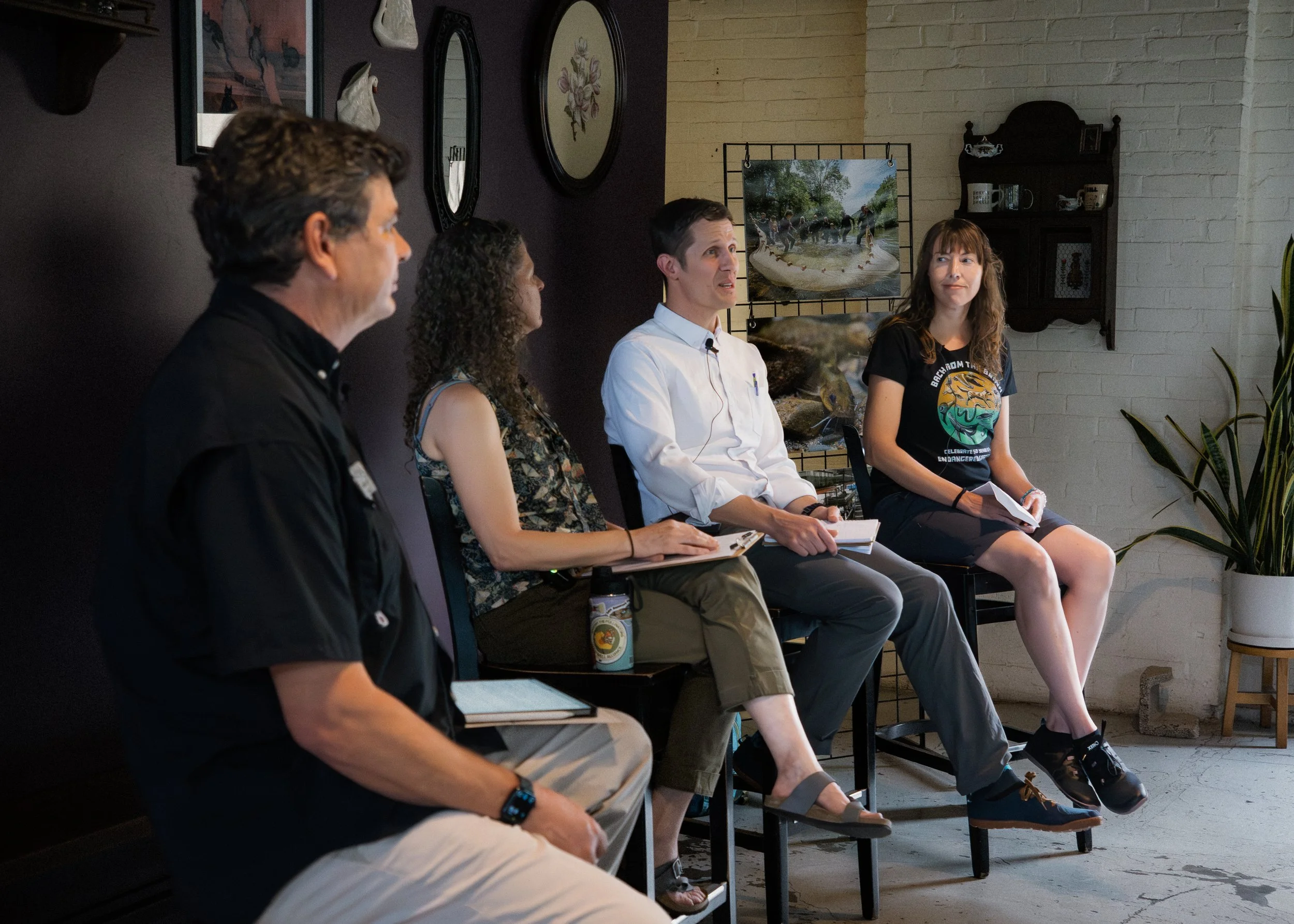
September - AI Data Center Panel
Conservation Fisheries is looking to host a community panel focusing on the environmental impact of potential AI data centers in Southern Appalachia. We are currently seeking potential panelists who can discuss these issues with the public. If you or someone you know is a professional impacted by data centers and are interested in sitting on this panel, please Contact Us and we’ll get you in touch with Aster Treat, who plans our community events. The date is currently TBD but we are hoping for a weekend in September.
September 5th - Hellbender Festival
The North Carolina Hellbender Festival is a free, one-day event held each Labor Day weekend in Downtown Spruce Pine, celebrating clean rivers, outdoor recreation, and life in the Blue Ridge Mountains. Named for the Eastern Hellbender salamander, the festival brings together live music, local food, artisan vendors, and hands-on experiences focused on conservation and river health. Visitors can explore interactive exhibits, educational workshops, and art activities that highlight the importance of protecting our waterways. Join Conservation Fisheries in celebrating our favorite salamander, the Eastern Hellbender!
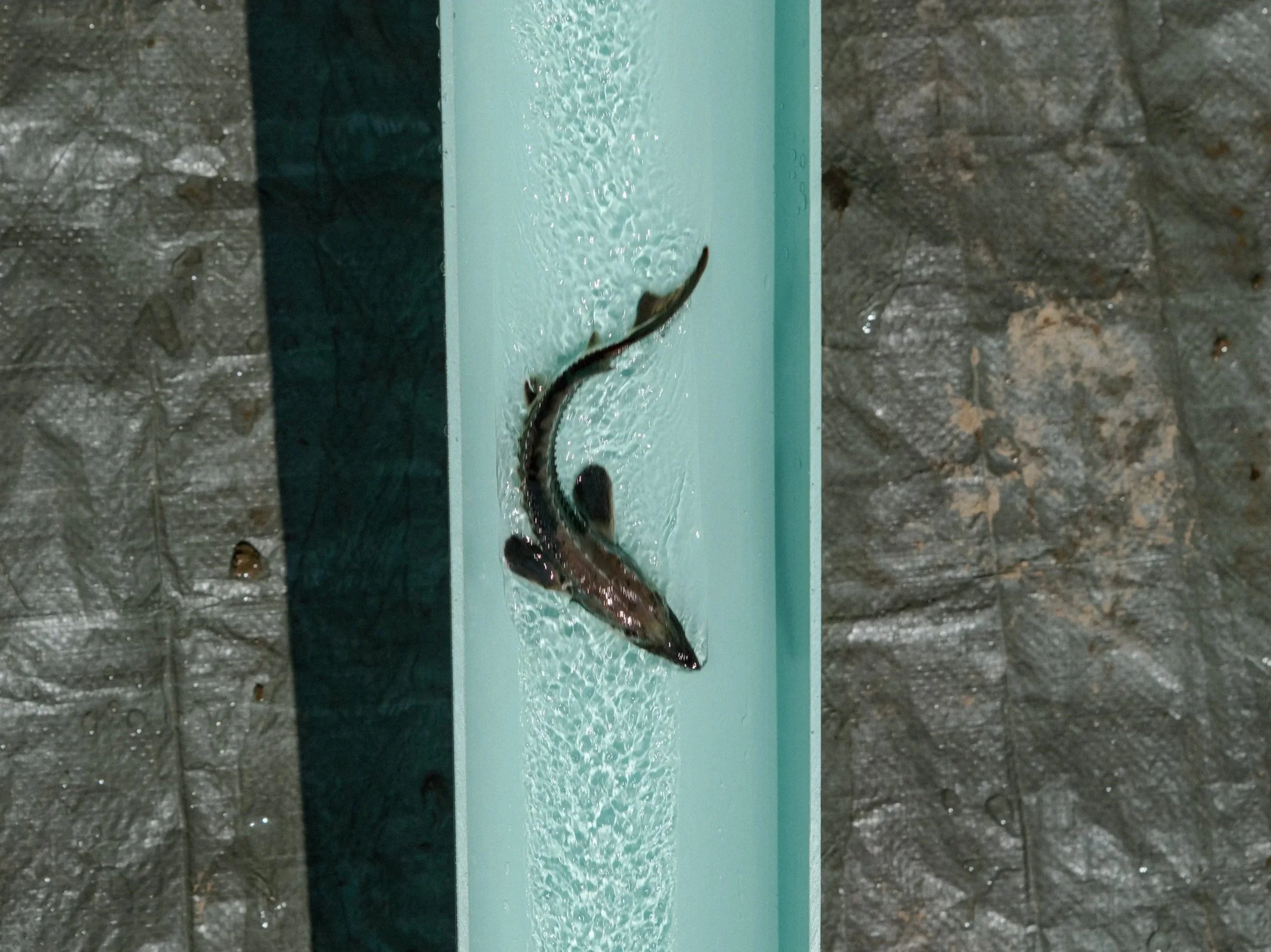
September 12th -SturgeonFest
SturgeonFest is a fun and educational event where visitors can register to release a juvenile Sturgeon into the French Broad River and also learn about local area conservation groups. There will be booths set-up for local artists, businesses, and food trucks. Enjoy live music from the Tennessee Stifflegs! Come visit Conservation Fisheries at our table to talk about our favorite fishes and pick up some merch!
Species Spotlight
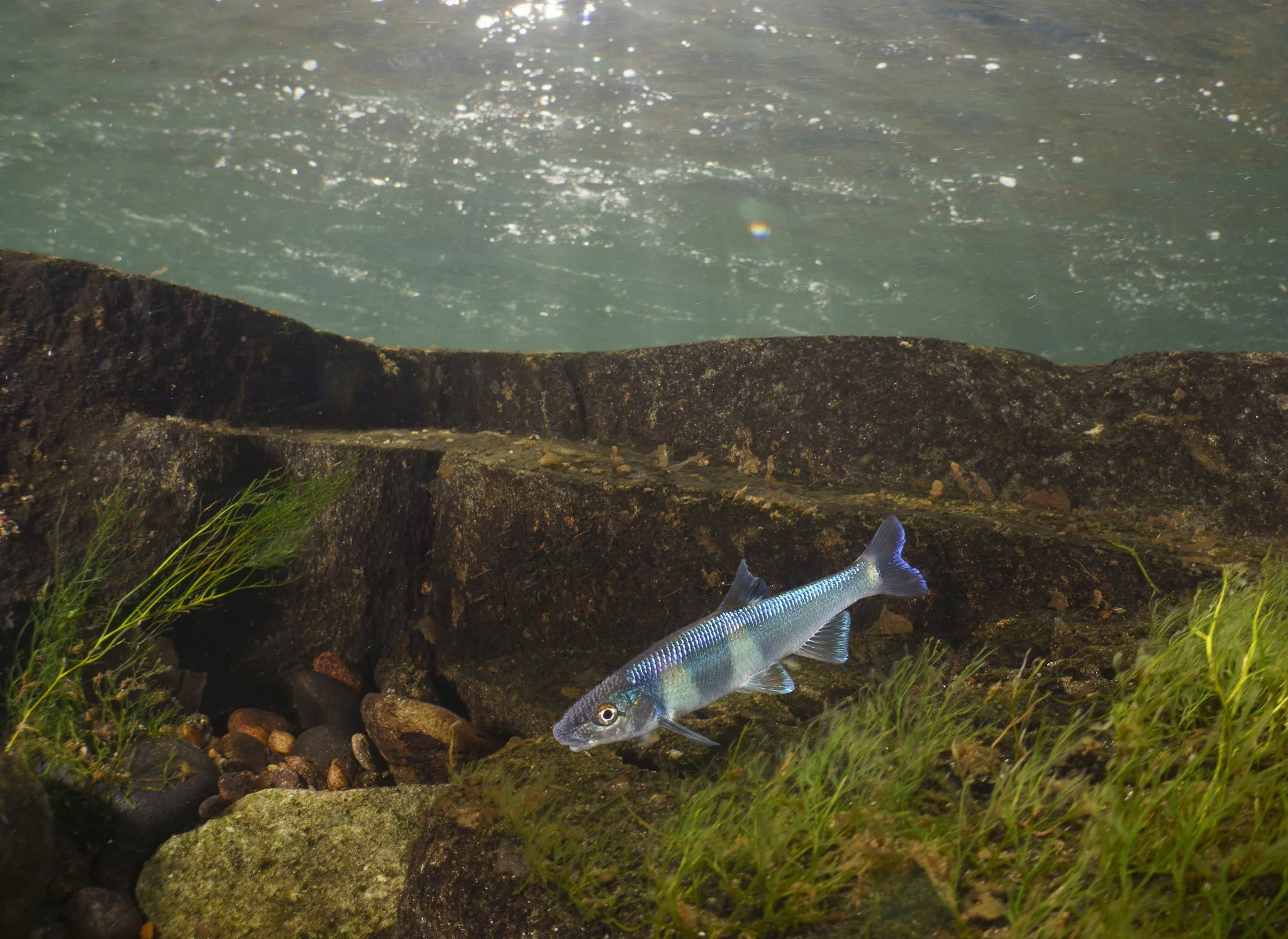
Spotfin Chub, Erimonax monachus - Photo by Andrew Zimmerman
Spotfin Chubs are one of the most showstopping fish that Conservation Fisheries has in the facility due to their bright, metallic colorations & tubercles that the males display during spawning season! They were listed as Threatened by the U.S. Fish and Wildlife Service in 1977, but we are feeling optimistic about their future.
Conservation Fisheries has been working with Spotfin Chubs since our early days, all the way back to 1994 for reintroduction and monitoring projects in several rivers throughout Tennessee and neighboring states. Spotfin Chubs were one of the species from Abrams Creek that were believed to be poisoned out in 1957, so our first project with this species was an attempt to reintroduce them back into Abrams along with Yellowfin and Smoky Madtoms, and Citico Darters. Though Spotfin Chubs never established successfully into Abrams Creek like the other three species did, reintroductions into other streams and rivers have been considered successful.
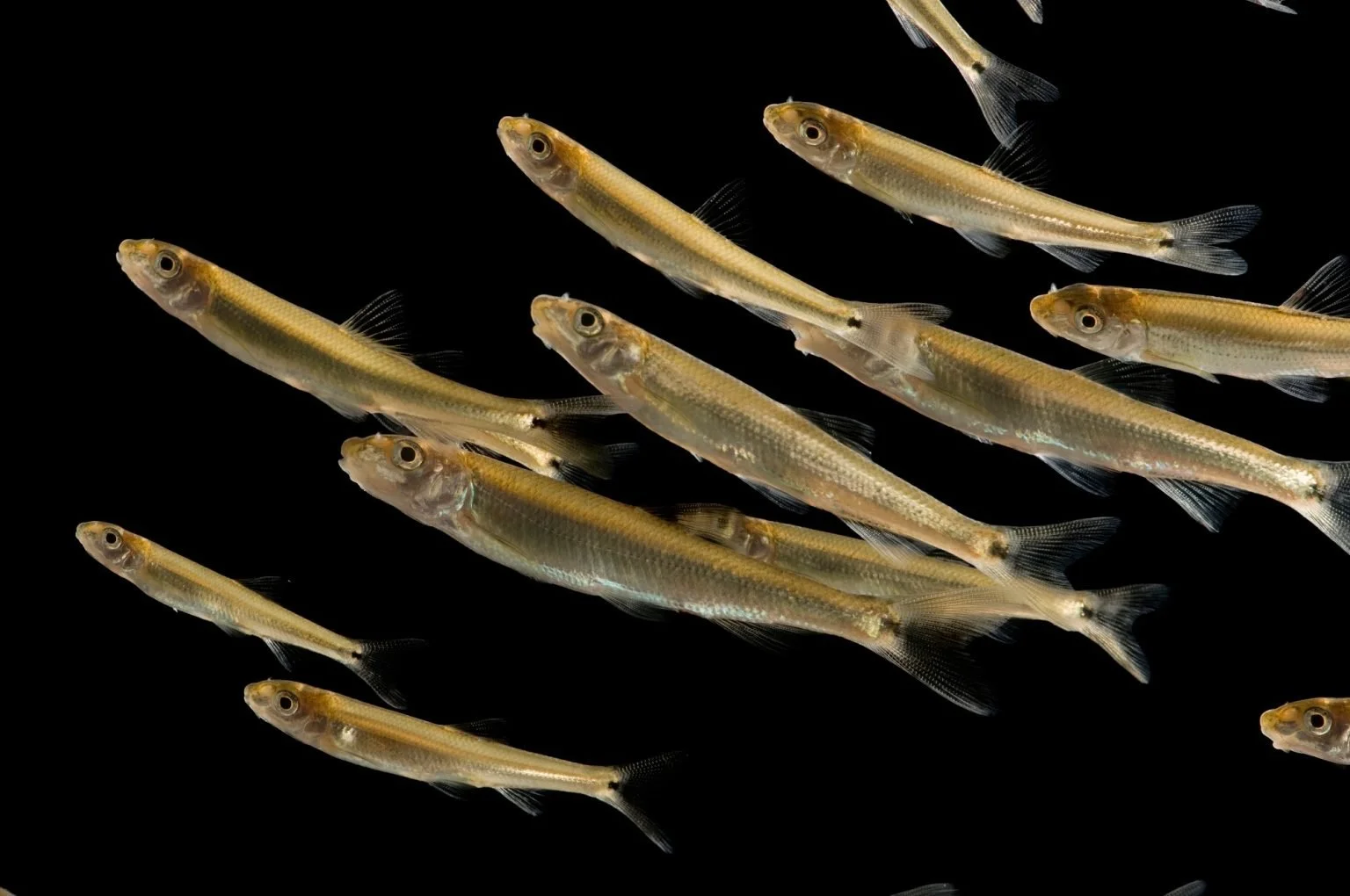
Juvenile Spotfin Chub, Erimonax monachus - Photo by Joel Sartore
Our original project dates back nearly 30 years, making Spotfin Chubs one of the first species that CF had developed solid propagation protocols for. Spotfin Chubs spawn in groups in large rivers in areas of high flow, so we keep them in our largest tanks with a fan to simulate the swift waters they prefer. This species are what we call crevice spawners, meaning they lay their eggs in the crevices of, in this case, relatively flat rocks or boulders. Spotfin Chubs are minnows with a high fecundity (ability to produce an abundance of offspring), and tend to lay one of the highest amount of eggs per species of all the fish in our facility!
Due to our success with Spotfin Chubs, Conservation Fisheries has worked with several populations of this species. In this case, a population refers to a group of Spotfin Chubs that come from a particular river. Certain populations can be considered “source populations” when they are used as the brood fish for introducing the species to a new location or when supplementing another population that are within the same watershed as the source. While we currently have one population spawning in our facility, we are hopeful for a new project in the near future that will bring in another source population to begin another restoration project!
Community Outreach
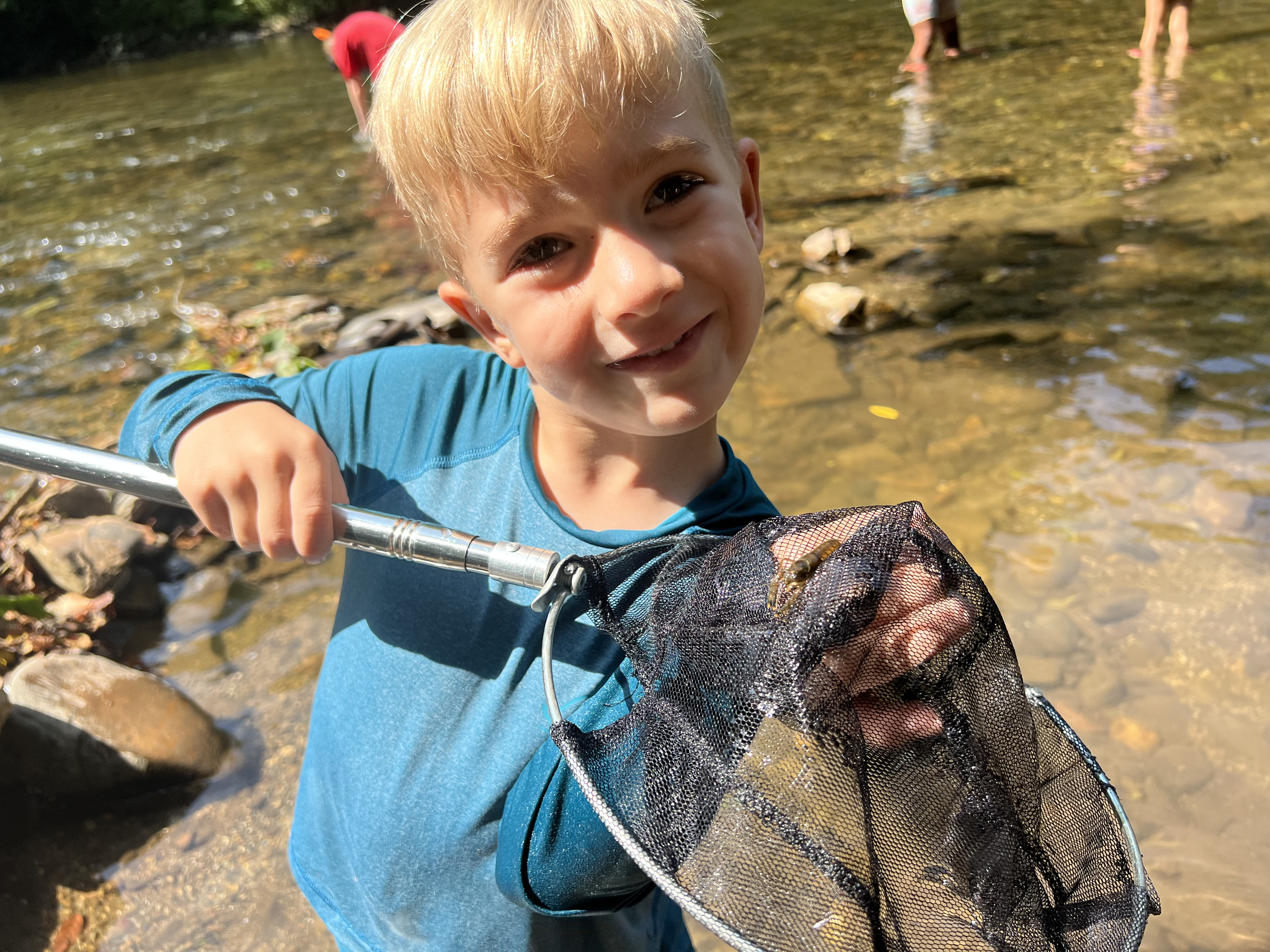
Stream School - Photo by Conservation Fisheries
Stream School with Little River Watershed Association
One of the longest standing community outreach programs that Conservation Fisheries has been a part of is Stream School hosted by Little River Watershed Association (LRWA). This program is aimed at getting children in our local streams and rivers to learn about the wealth of biodiversity that can be found right in their own backyard! Recently LRWA has brought on new volunteers to this program, aptly named the Stream Team, to help support the growth of this program and teach kids more about the neat aquatic organisms that live in the Little River.
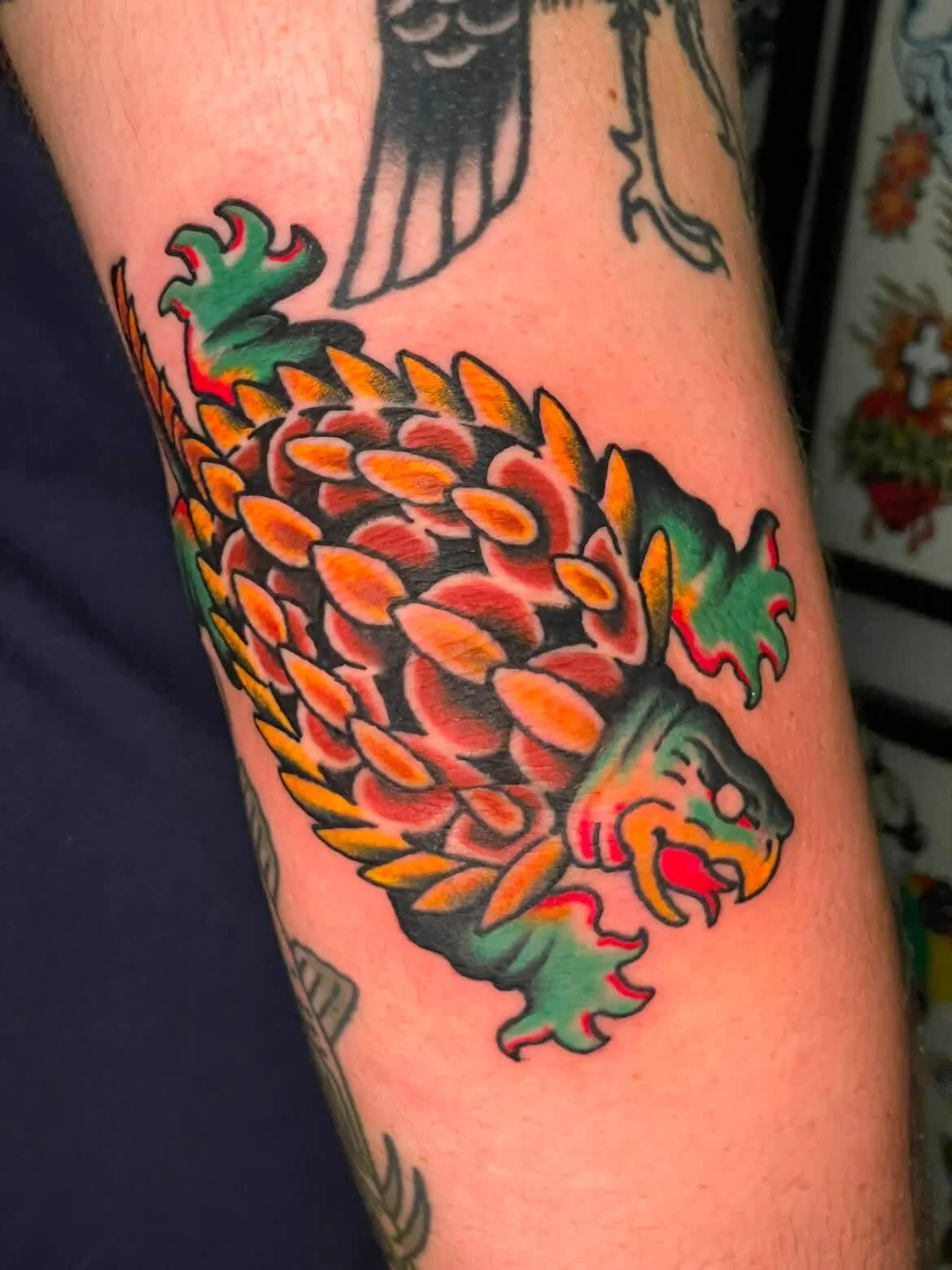
Flash Tattoo at Saint Tattoo
Little River Day
Also in partnership with LWRA, Conservation Fisheries participates in the annual Little River Community Day to promote recreation and fellowship surrounding the Little River. Unfortunately this year the Knoxville area has seen an incredible amount of rain, and the river conditions were not safe enough to feel comfortable inviting the public out for a day of fun. Big thanks to our friends at Saint Tattoo who pivoted to instead host a flash tattoo day in its place! We’re so appreciative of all of our community partners who planned on being there with us, including Tarik’s North African and, of course, Little River Watershed Association.
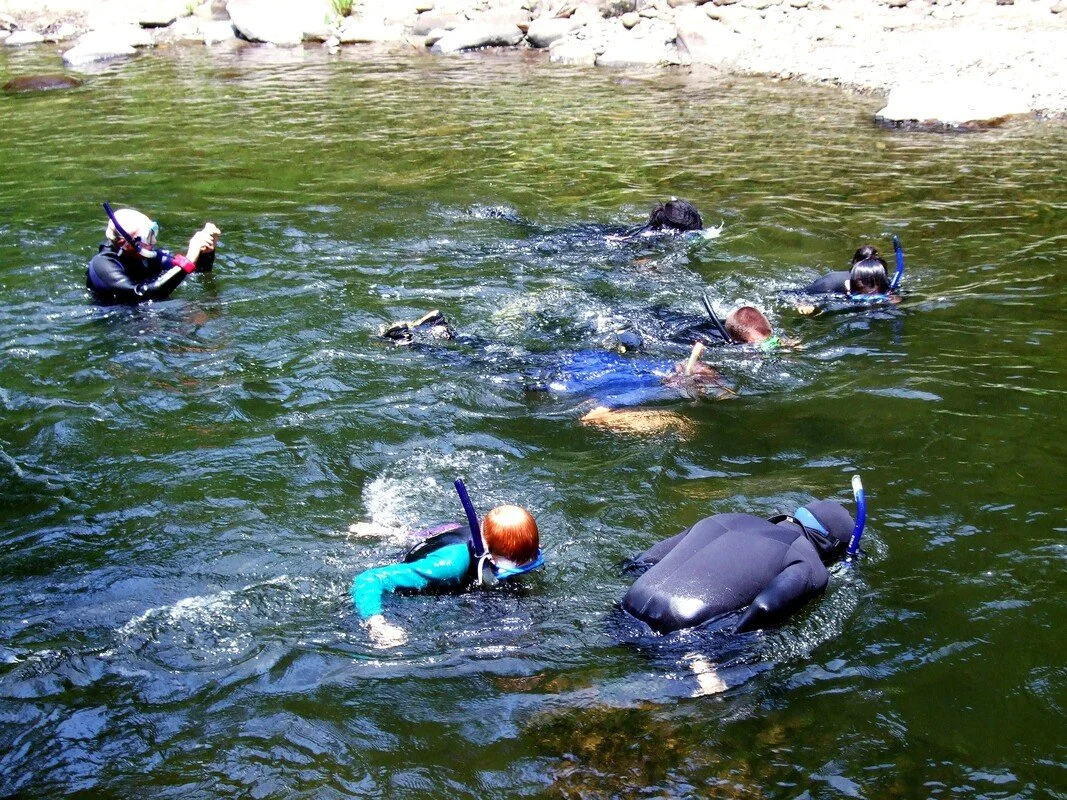
Snorkeling at Trout Camp, photo from Trout Unlimited
Trout Unlimited “Trout in the Classroom” Fish Release and Trout Camp
We joined Trout Unlimited for one of this year's Trout in the Classroom releases, an educational program that gives students and teachers the opportunity to raise trout in their classrooms before releasing them into a local stream. We provided a presentation on Tennessee's native nongame fishes, demonstrating how these species play an important role in healthy stream ecosystems and their relationship to trout. We also joined Trout Unlimited at Trout Camp, where campers spend the week learning about aquatic species and the unique ecology of the Great Smoky Mountains. Our staff led a snorkeling group, introducing campers to the diversity of native fish and how the work we do at Conservation Fisheries positively impacts these ecosystems.
Season Highlights
Field Work
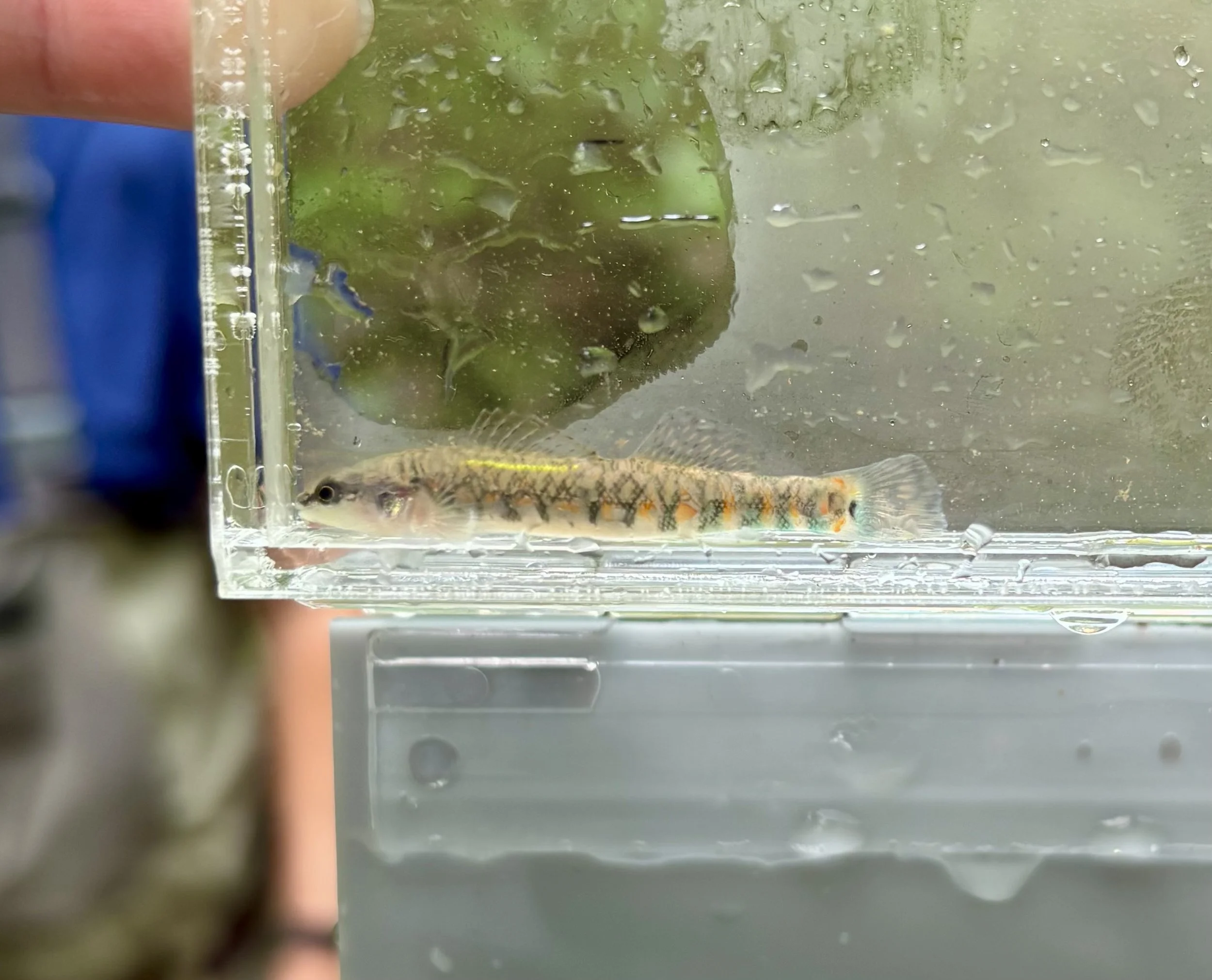
Cumberland Arrow Darter juvenile, Etheostoma sagitta - Photo by Amy Settles
As folks who live in and around the East Tennessee area may have noticed, we’ve seen an extremely rainy summer. While this was a nice counter to recent drought conditions, it has put an extreme damper on our typically busy field work season. Increased rain events can cause unsafe river conditions where the water is too high and the flow is too fast for our biologists to snorkel in. Often even once the water level and flow have decreased, the water can be extremely turbid, making visual snorkel surveys difficult or impossible. Thankfully we’re at the time of the year where many of our species are grown and large enough to be able to release!
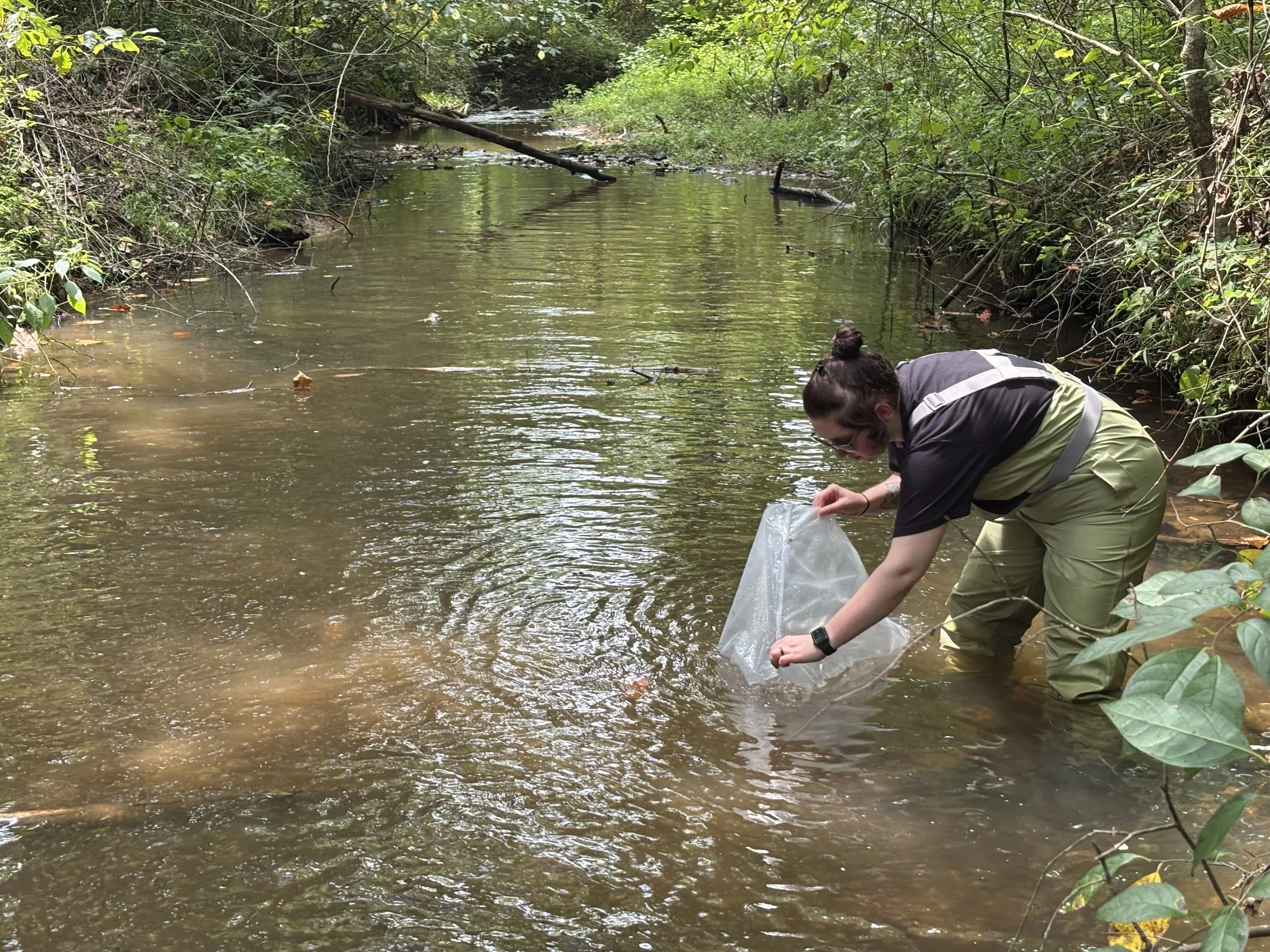
Shannon releasing Cumberland Arrow Darters, - Photo by Amy Settles
While most releases each year are of juveniles that were spawned earlier in that same year, our first release this year was actually Barrens Topminnows that were born in 2025! Since they spawn later in the year, we overwinter their young in the facility and wait to release them until the following spring or summer so they are released at a more appropriate size. The first release of 2026 juveniles was Blotchside Logperch, which ended up having a total of 3 different release days due to the high volume of fish produced this year. As mentioned earlier in the “Swimming in Fishes” section, the first releases of Tennessee Dace and Spotfin Chub have already happened, also to make room for more young to grow. Last week we released Buck Darters, and on the docket for the next couple of weeks we have Cumberland Arrow Darters, Candy Darters, and Duskytail Darters!
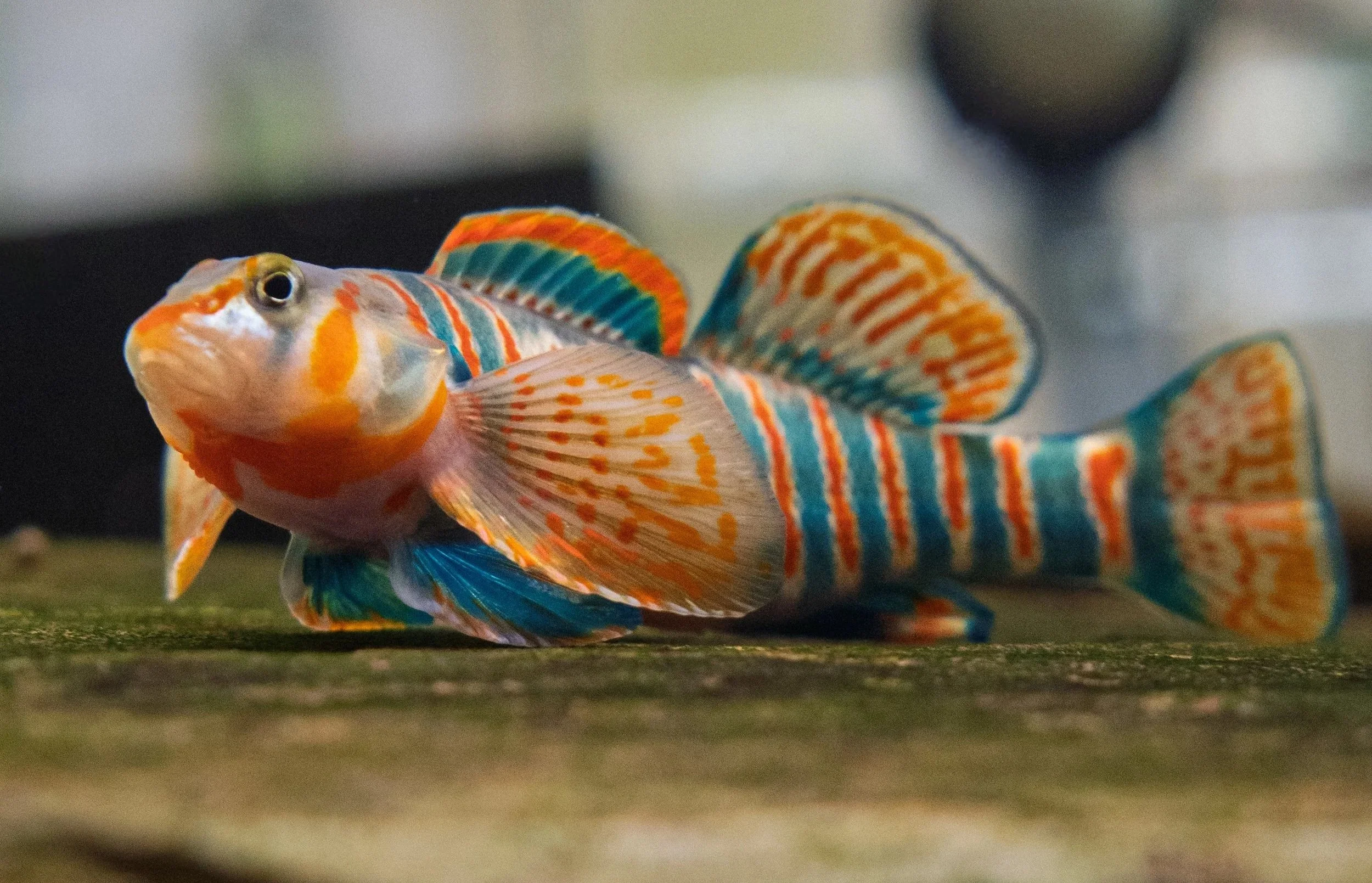
Candy Darter, Etheostoma osburni - Photo by Aster Treat
PBC EcoSense for Living Feature
Fans of Hidden Rivers will be excited to hear that Conservation Fisheries has recently been featured in an episode of East Tennessee PBS’s series EcoSense for Living! Our recent work with the Candy Darter is highlighted in Season 10’s episode entitled Recovering Rivers. Alongside Nashville Zoo’s work with Eastern Hellbenders and Yancey County, North Carolina’s life after Hurricane Helene, our biologists have the opportunity to share what it’s like to work with endangered species and why this conservation work is so valuable.
Partner Feature
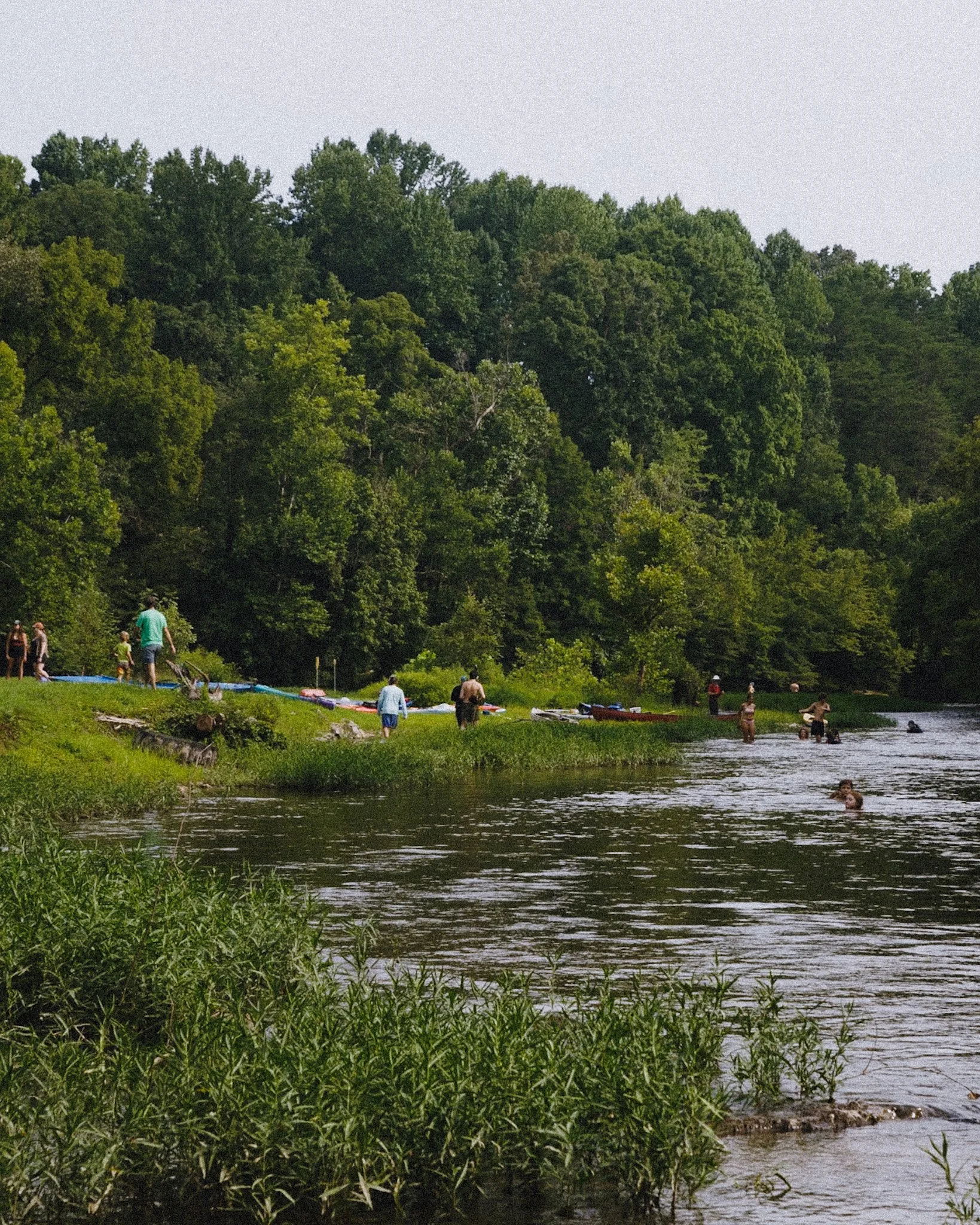
Little River - photo by Aster Treat
Little River Watershed Association
Little River Watershed Association is an environmental education and conservation group that focuses on outreach and protection of the Little River Watershed in East Tennessee and all things that are affected by it, founded in 1998 by a group of people that were passionate about the advocacy and protection of the Little River. Their mission is to protect, preserve, and enhance the Little River and its tributaries through conservation, education, and recreation.
Conservation Fisheries has been working in partnership with LRWA since their early days. Our staff have always been stewards of the Little River ourselves with several of the species we work with having a portion of their native range within the Little River Watershed, so a friendship and partnership with the folks involved in LRWA has always been natural.
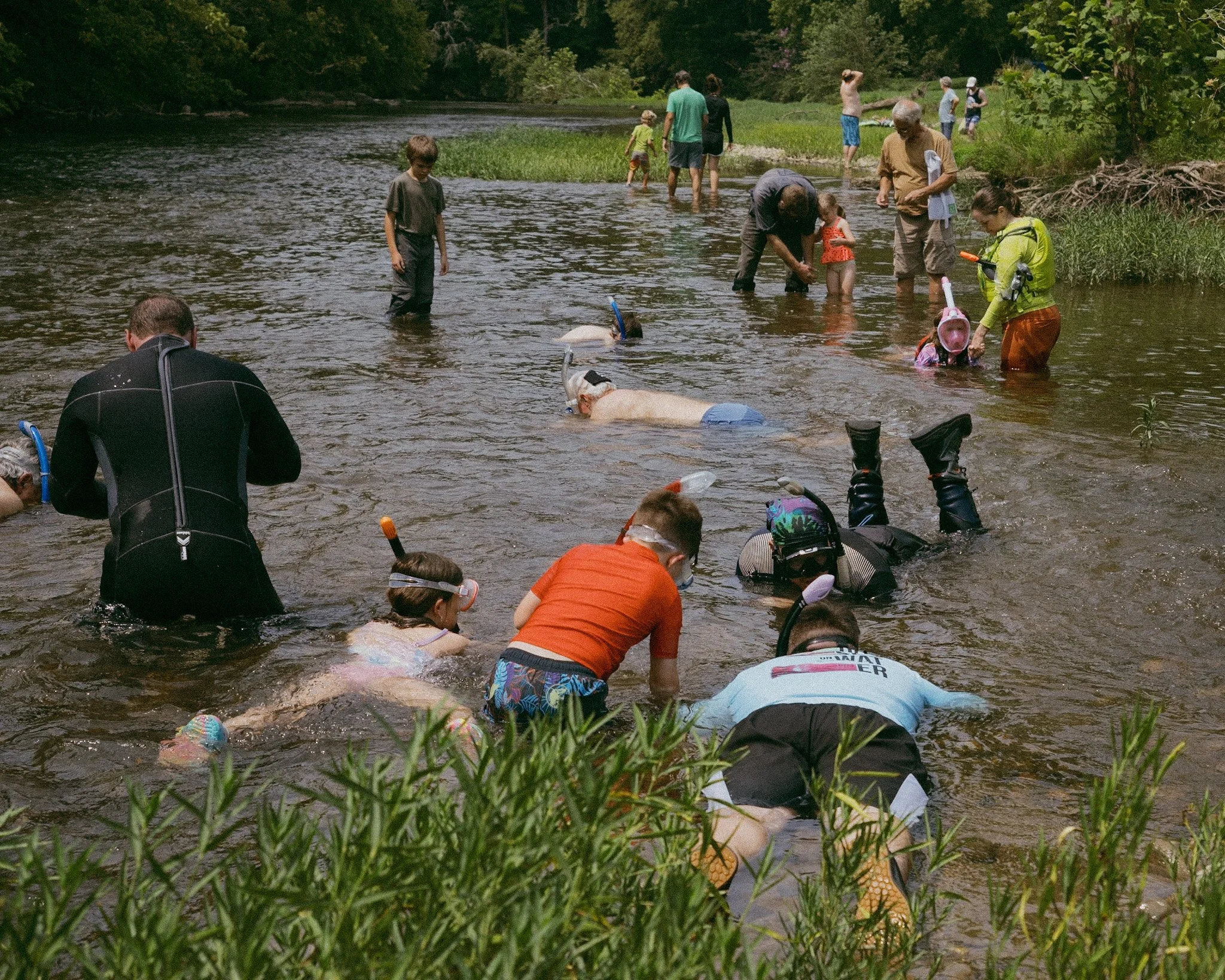
Little River Community Day - photo by Aster Treat
We’ve been hosting iterations of Little River Community Day together for years, which is a day in which our organizations come together to invite members of our community to celebrate and recreate on the Little River. LWRA hosts a float where folks can kayak or float on intertubes down the Little River. Back at River John’s Island, Conservation Fisheries hosts a snorkel to showcase the brilliant stream fishes that call the Little River their home. This community day is always free, and always a highlight of our year. Our staff have always been glad to participate in Stream Schools, which are educational events hosted by LRWA to encourage kids to learn about and interact with the Little River and its inhabitants. In small groups kids have the opportunity to learn about the geology of the river and which fish and insects live there. At the end of the program we bring these groups into the water to experience seeing fish in their natural habitats while snorkeling!
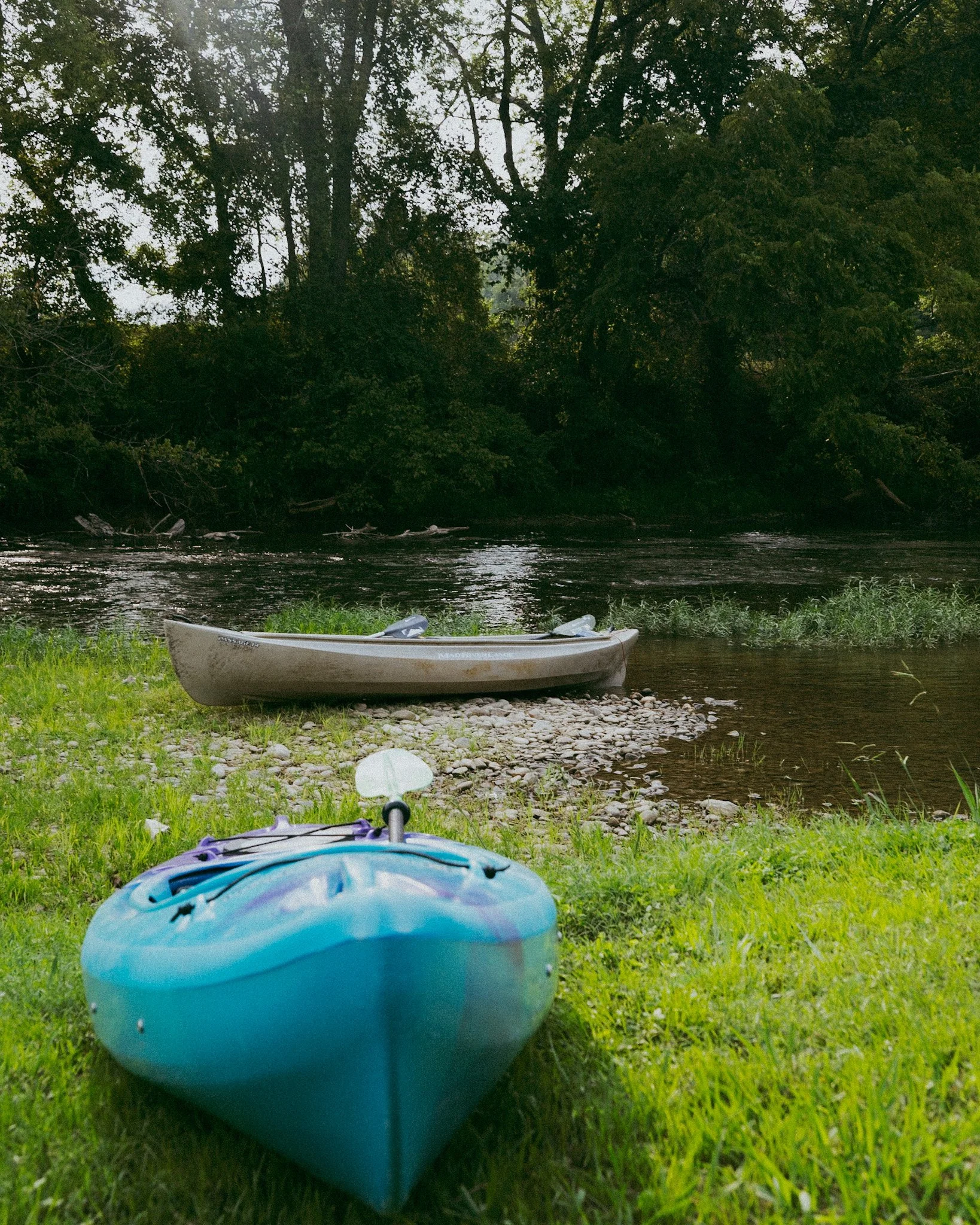
Little River Community Day - photo by Aster Treat
In addition to our shared programs, LRWA hosts a slew of their own programs including river clean-ups, Pints of Science educational outreach events, and has created a Blueway Map of the Little River to encourage safe recreation on the Little River. They’ve also recently been awarded a grant to inventory all aquatic barriers on the river, which can lead to future betterment of aquatic connectivity for humans and aquatic organisms alike! We are so grateful for the stewardship of the Little River Watershed Association and are extremely proud to be their friends.
Gratitude
Little River Community Day - Photo by Aster Treat
Contributions
Many thanks to all of the Conservation Fisheries staff members that contribute ideas for the newsletter as well as photographs of our field and facility work, especially of the beautiful fish that we have the pleasure of working with every day. Much of the information about the Spotfin Chub came from Rebecca, our Species Lead. Thank you as always to Joel Sartore, who has taken brilliant photographs of our species for years which appear constantly throughout our website and newsletters. Information and photos about outreach and events are thanks to Grace and Aster. Thanks to Missy for providing the final feedback on this quarter’s newsletter in the midst of managing all of our projects and partnerships.
Gratitude
We are always extremely grateful to the folks who love the fish as much as we do. If our work speaks to you, please consider a donation to our organization. In times like these conservation work is more important than ever, and even small donations from our supporters make a big impact. Other support, such as liking our social media posts or stopping by our outreach booths at community events, means the world to us, too. Thank you all for everything.
— The Conservation Fisheries Team
